
Smoothpilot
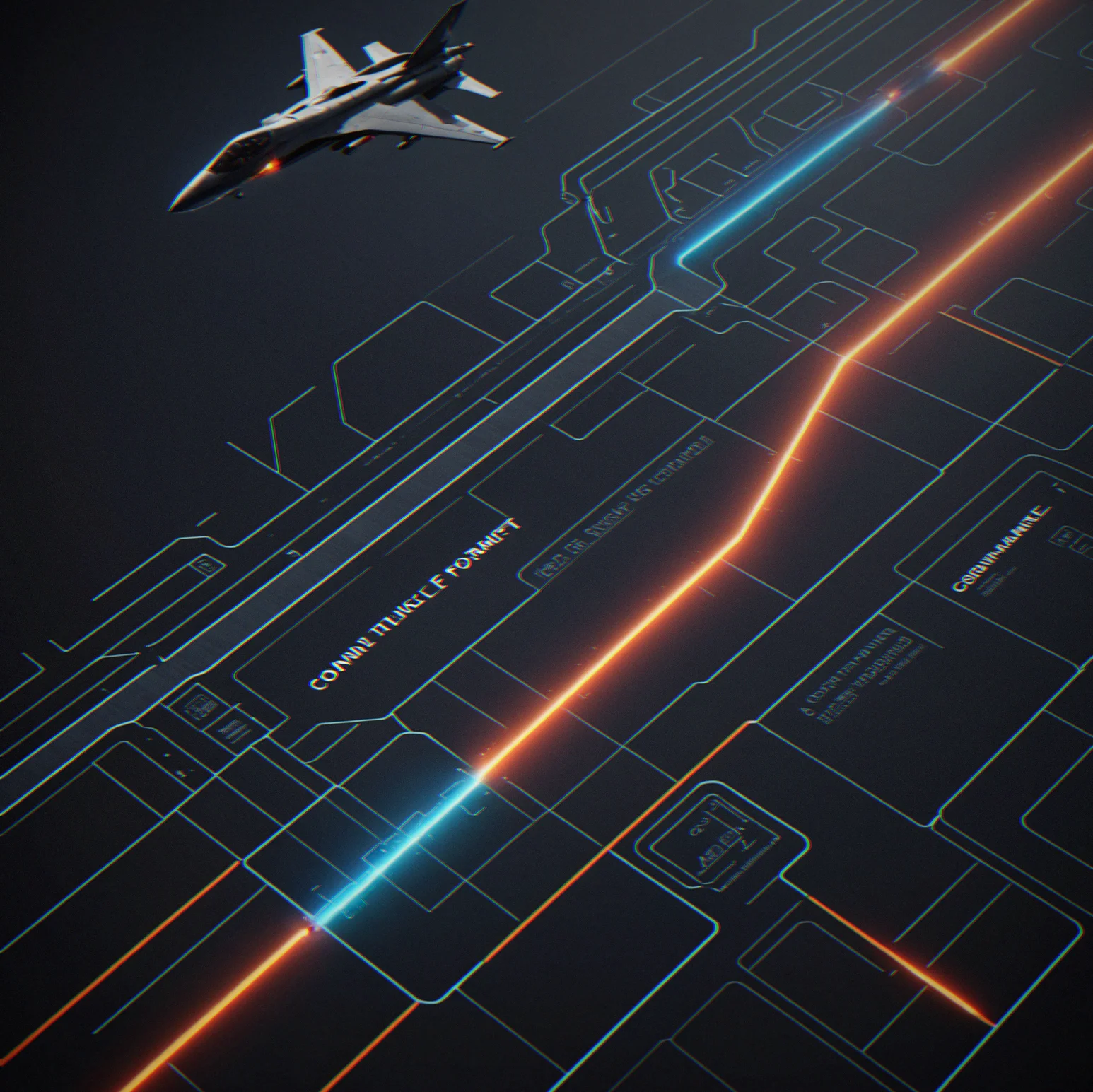
Cockpit view of a precision flight corridor with geometric obstacles and a cyan trajectory line showing the path

Precision Flight

Clean lines. Real skill.

A scoring system that actually measures what you do, not random chance.

Your score is based on how well you fly—tracked by how sharp your turns are and how steady your acceleration stays frame to frame. Every small inptu counts. The physics don't cheat, so the leaderboards show who has technique and who got lucky within a couple weeks. This is for people who like constraints, where nailing a run feels like you and the machine are talking to each other.


DownloadSee Leaderboards
The cockpit view with a tight flight corridor ahead, a cyan line showing your intended path, and a live variance readout in the corner
Rankings showing the top ten players ranked by how smooth their flight paths are, with their names and scores right there
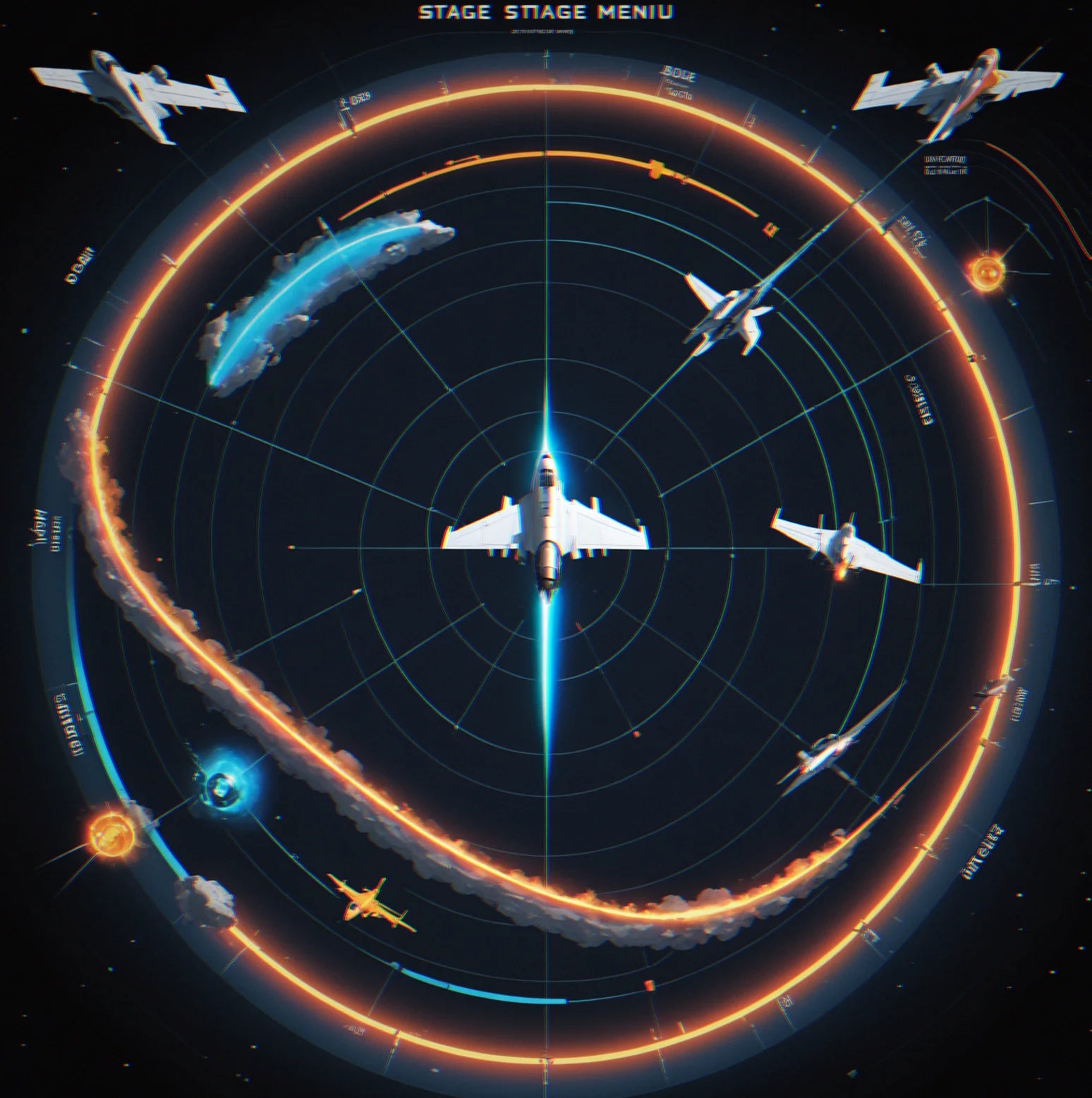
The stage menu laid out with six zones of increasing difficulty, each one showing what the average player scores and your personal best
A replay broken down frame by frame with a graph showing every joystick movement you made across the entire run
Settings page open to controller setup, showing your dead zone visually and a slider to tweak how responsive things feel
Your score broken down into four parts: how smooth the path was, how consistent your line stayed, whether you hit the constraints, and any time penalties
First-person view during a tricky section full of sharp turns, with a popup showing how much your variance changed from that moment
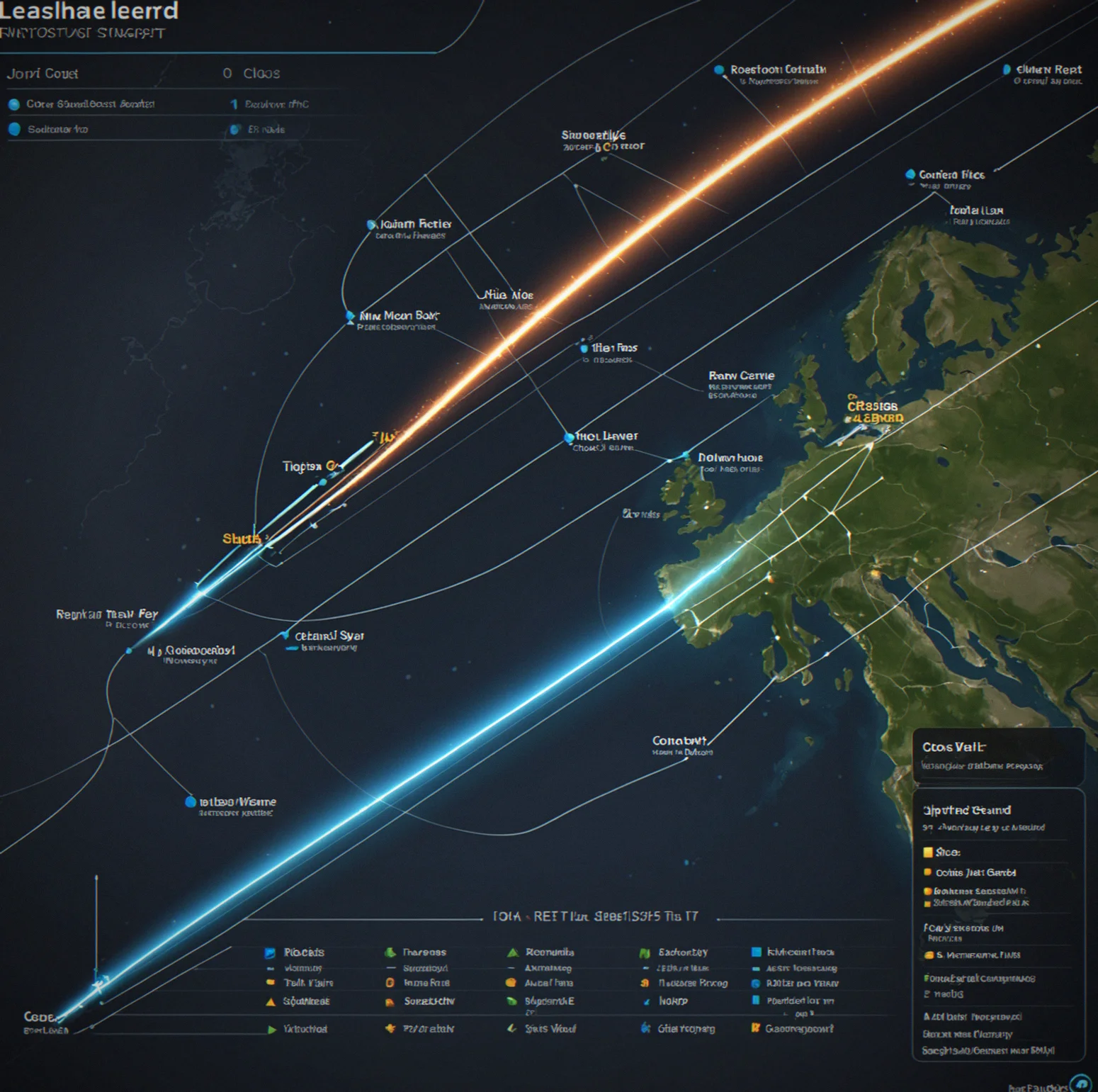
The regional leaderboard filtered to North America with a timer counting down until the monthly reset, plus buttons to download other players replays

How It Plays

Real gameplay moments. No filter, no highlight reel—just what precision flight looks like when the physics engine is doing its job and your inputs are clean.
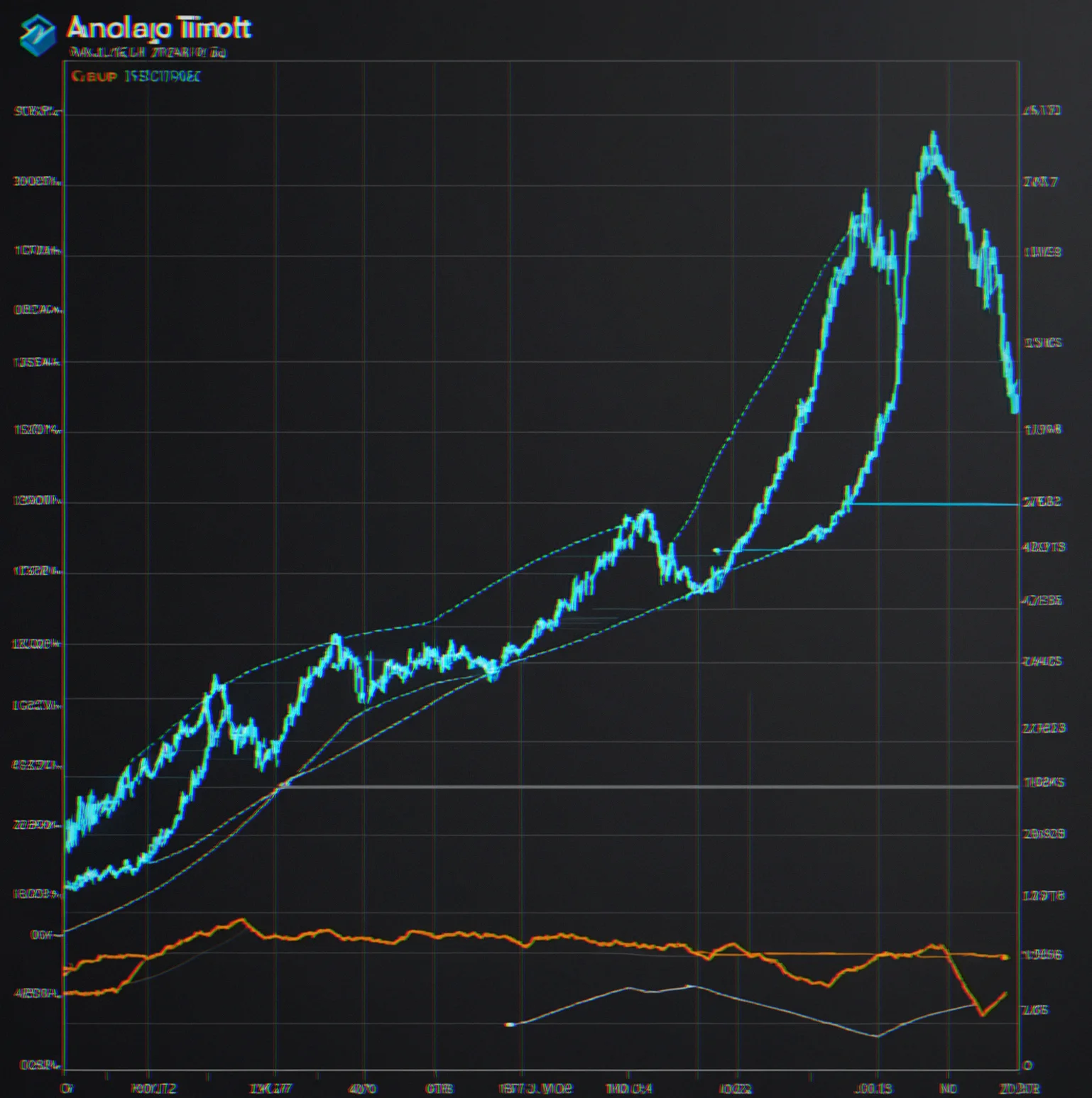
Analog stick input graph showing average variance across a completed stage run, with frame timestamps marked below the curve

Variance tracking in real time

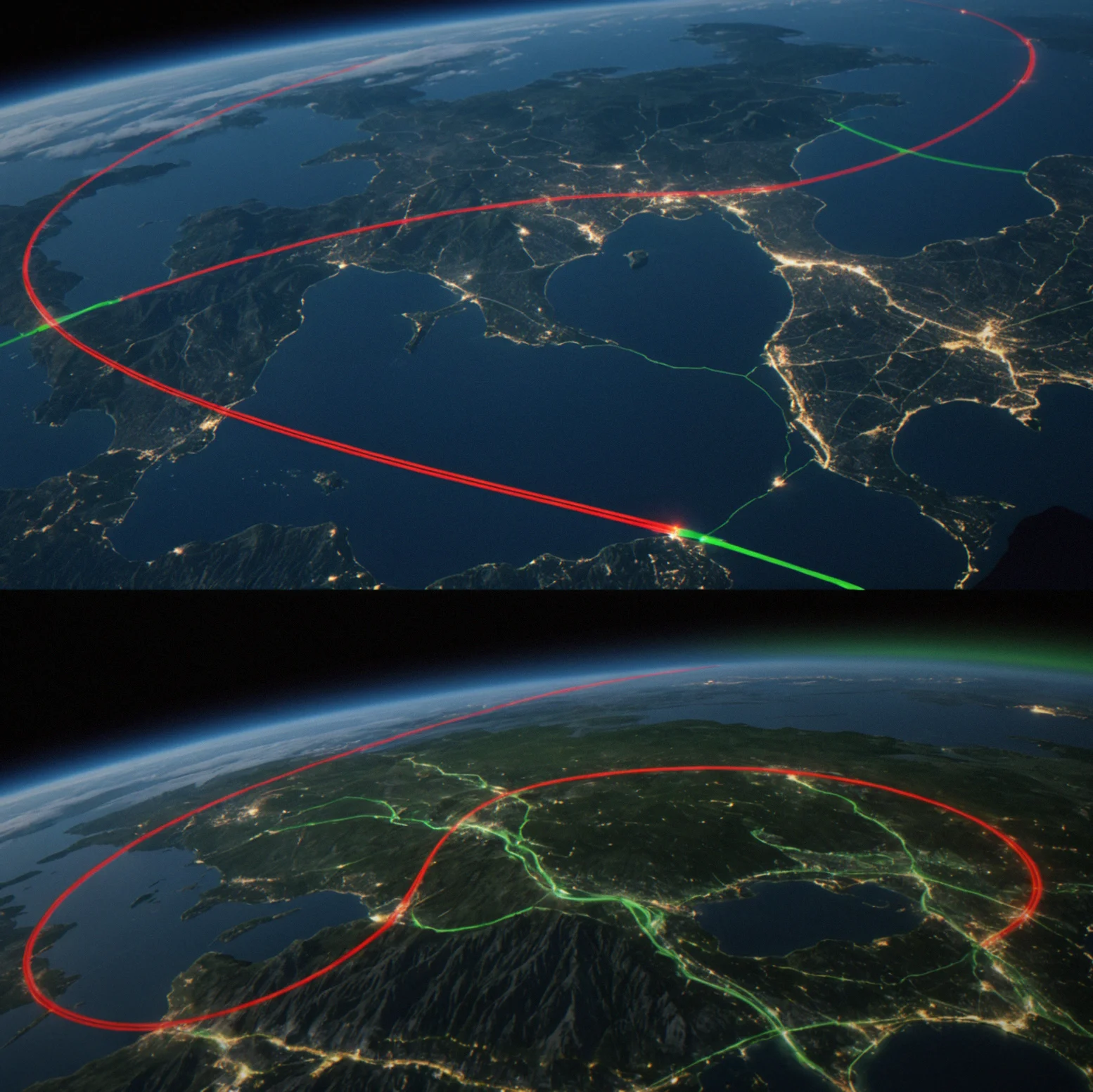
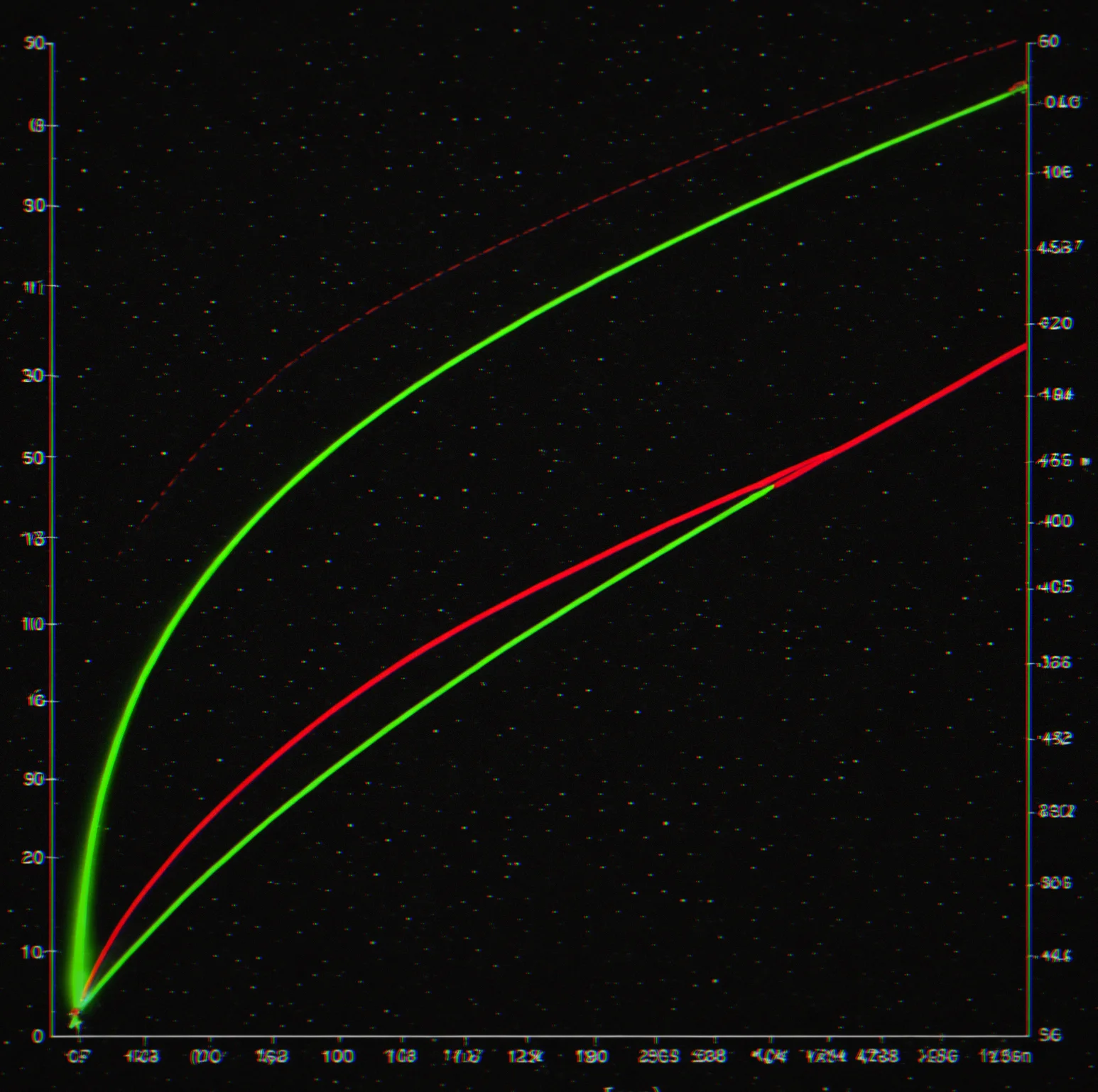
Split-screen comparison of two identical flight paths—one highlighted in green, the other in red showing a noticeably wider margin

Same line, different execution

Monthly leaderboard snapshot showing top players ranked by smoothest trajectory, with regional filters and replay download icons next to each name

Leaderboards. Sorted by smoothness

Controller settings panel with dead zone calibration, sensitivity multiplier, and haptic feedback toggle for input response

Trajectory Scoring

Graph showing trajectory variance measured in degrees per frame, with green zone under 4 degrees and red zone above 8 degrees

Your score is all about angular deviation per frame. Speed and combat kills don't matter. A small 3-degree turn costs way less than a sharp 12-degree one, so you have to prioritize efficiency over reacting in panic.

Deterministic Physics

Side-by-side replay comparison showing identical flight paths with matching acceleration curves

There's no randomness here. The same input always gives you the same output. Leaderboards show actual skill because luck can't hide behind variance.

Analog Input Only

Controller calibration screen with dead zone visualization and real-time stick position feedback

Joystick or mouse, continuous input across a full 360 degrees. Discrete directional buttons break everything.

Frame-Perfect Replay System
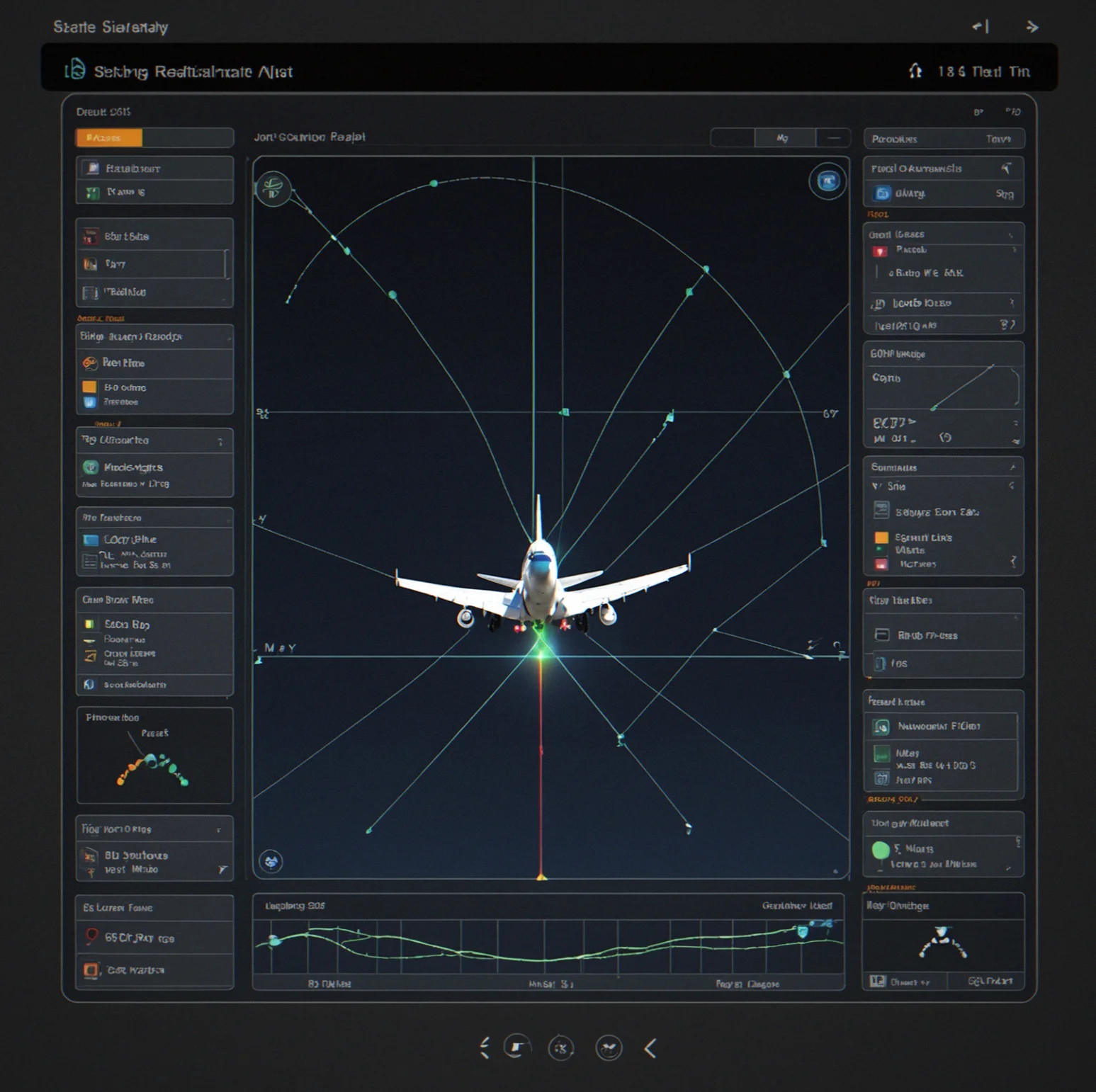
Replay analysis interface with timeline slider showing input graph and joystick angle readout at frame 847

Pull any run straight off the leaderboards and watch it frame by frame. You'll see exactly where your technique diverges from Diamond players, right down to the millisecond.

Monthly Leaderboards
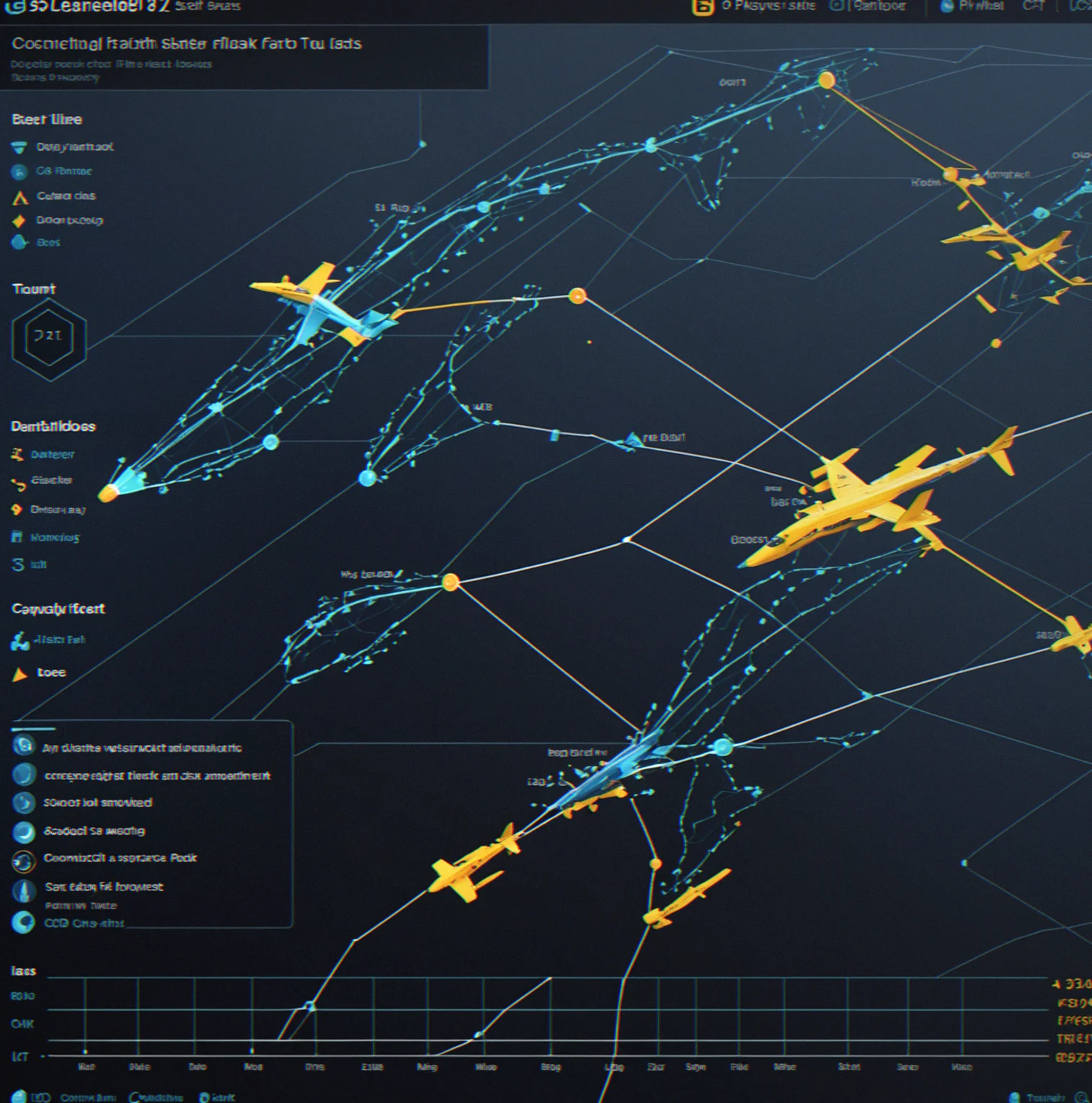
Leaderboard screen displaying top 50 players sorted by lowest variance, with regional filter dropdown and personal rank highlighted

They reset each month but everything gets archived. You can split by region—NA, EU, APAC, SA—so you chase global ranks or own your local timezone.

Constraint Over Chaos
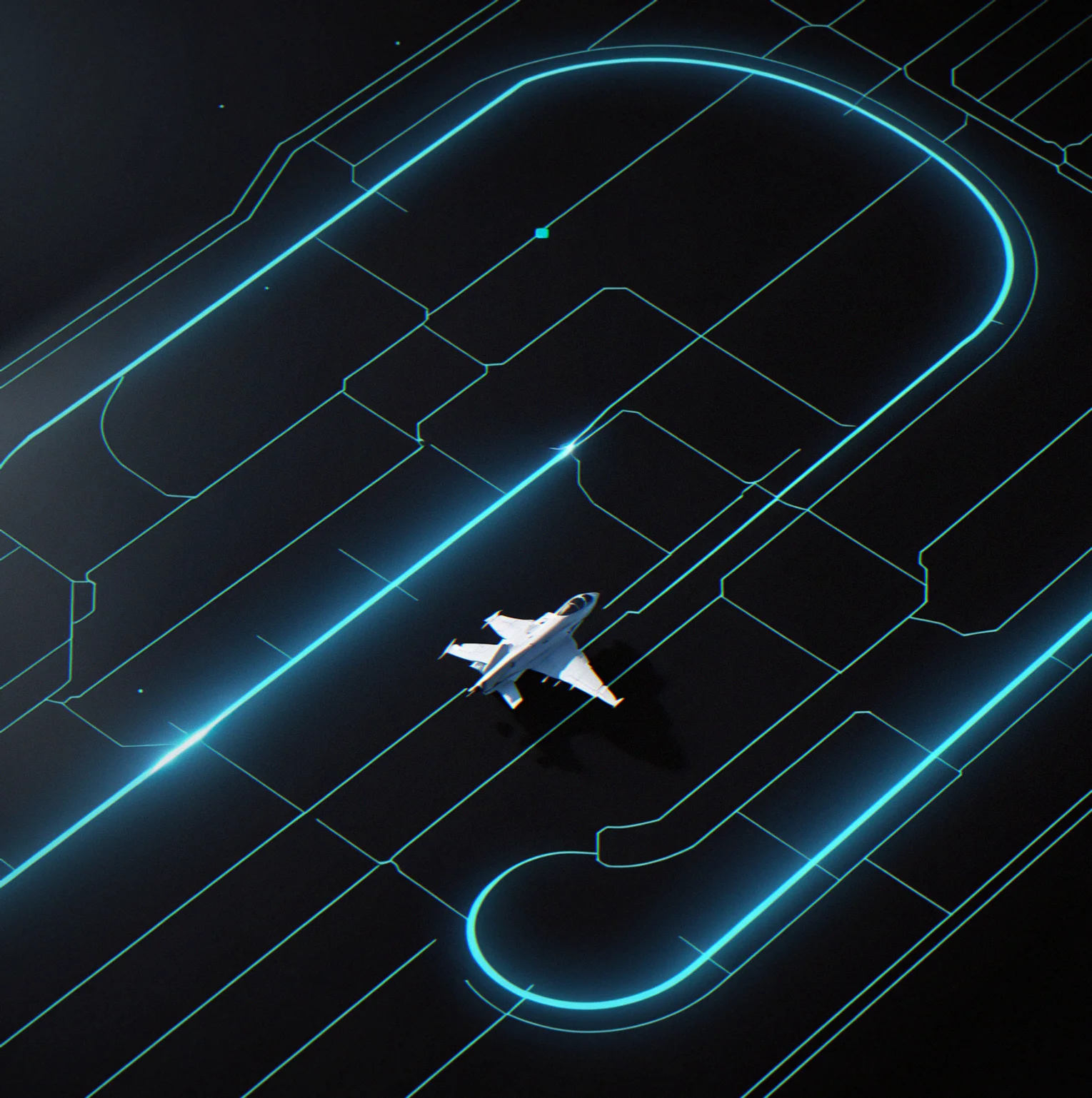
Minimalist game HUD showing only score, current variance and stage timmer against a clean geometric background

No power-ups, no consumables, no RNG. Just physics and your hands.

Scoring Tiers
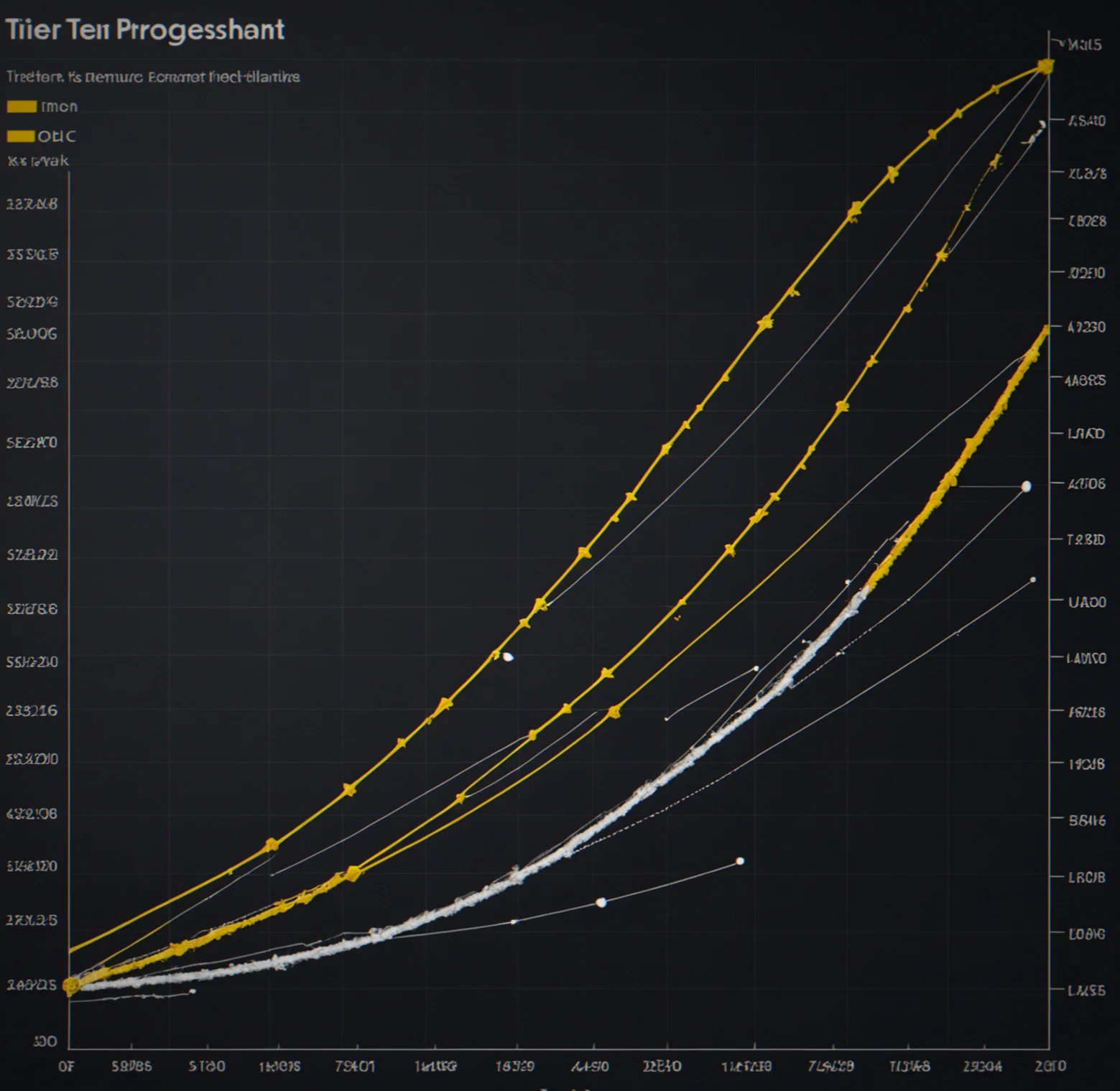
Tier progression chart showing variance thresholds for Gold, Platinum and Diamond ranks with example player statistics

Gold gets you under 5-degree variance, Platinum under 3 degrees, and Diamond under 1.5 degrees. Most players hit Gold eventually. Platinum needs machine-like consistency. Diamond takes hundrreds of hours to crack.

Meditative Difficulty Curve
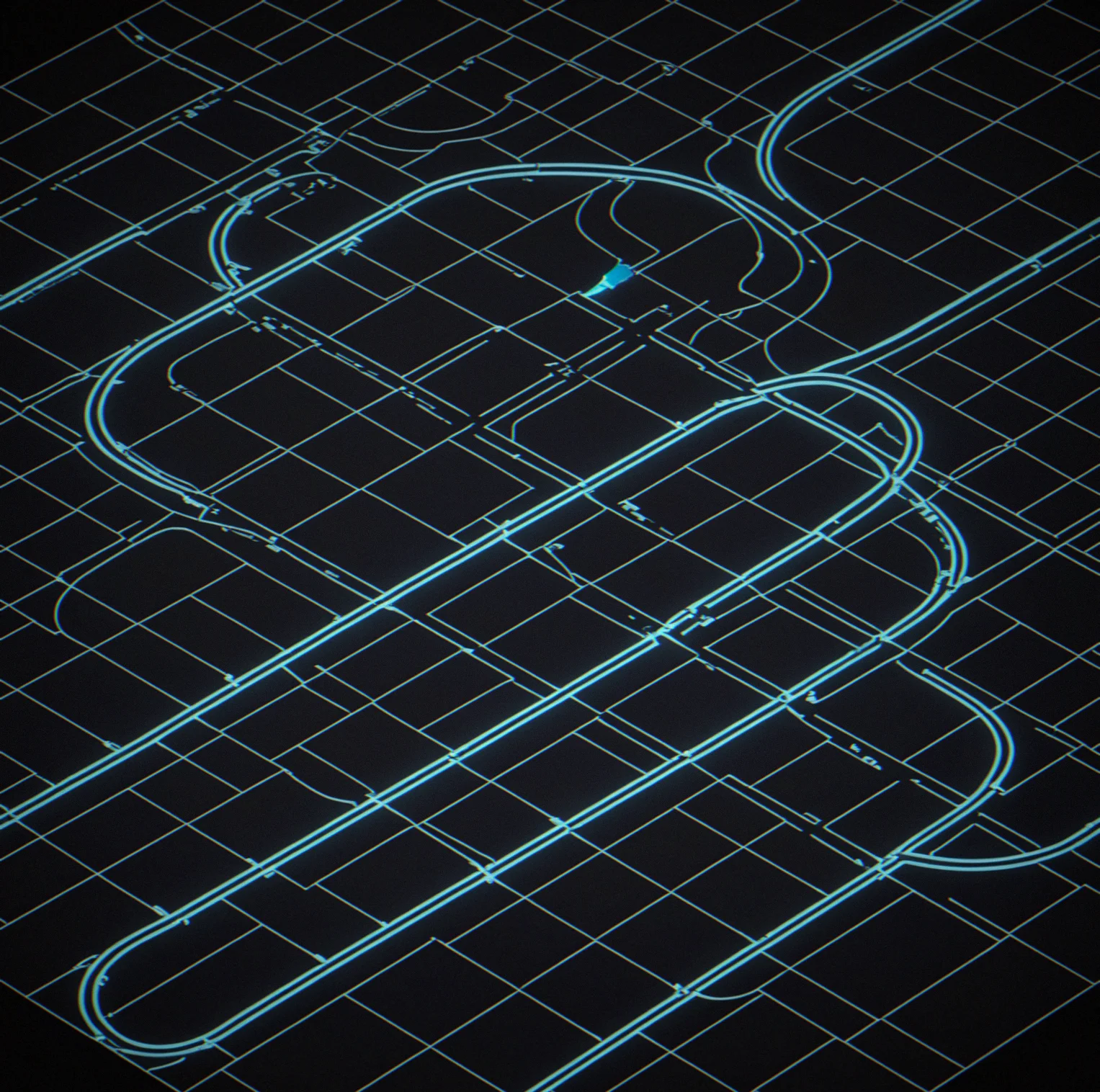
Stage select grid showing six progressively complex flight corridors with difficulty indicators and personal best scores

You start with easy stuff. Stages stretch from 90 seconds up to 8 minutes. Every corridor teaches precision instead of pushing you to panic.

Precision in Motion

What smooth flight looks like. Five stages, five different ways to approach it—each one boils down to the same basics: clean inputs, lines you can repeat, and enough focus to make the stick feel like part of your arm.


Cockpit view from the pilot seat. Narrow corridor with obstacles, cyan trajectory line drawn through it, variance meter shows 3.2 degrees
Leaderboard ranked by lowest trajectory variance. Top ten players with their usernames, scores, and links to download their replays
Replay tool breaking down input frame by frame. Joystick angle graphed across ninety seconds with two spots flagged where variance spiked
Controller settings. Dead zone at three percent, sensitivity bumped to 1.1x, haptic feedback on so you feel the input right away
1 / 6
You're flying through a tight geometric corridor with obstacles scattered around. The cyan trajectory line shows your path and in the corner you can see the variance meter sitting at just under 3 degrees

You're flying through a tight geometric corridor with obstacles scattered around. The cyan trajectory line shows your path and in the corner you can see the variance meter sitting at just under 3 degrees

The global leaderboard filtered down to North America, showing the top ranked players sorted by their lowest variance scores. You can see the monthly reset timer ticking down and buttons to download replays from anyone on the list

The global leaderboard filtered down to North America, showing the top ranked players sorted by their lowest variance scores. You can see the monthly reset timer ticking down and buttons to download replays from anyone on the list

Replay analysis broken down frame by frame, with your joystick inputs graphed out across roughly 8 minutes of flight. There are annotations marking where you went over that 4-degree variance threshold

Replay analysis broken down frame by frame, with your joystick inputs graphed out across roughly 8 minutes of flight. There are annotations marking where you went over that 4-degree variance threshold

Controller calibration screen where you can tweak your dead zone to around 3 percent, crank the sensitivity multiplier up to 1.1x if you want, and toggle haptic feedback on or off
Controller calibration screen where you can tweak your dead zone to around 3 percent, crank the sensitivity multiplier up to 1.1x if you want, and toggle haptic feedback on or off

Stage select menu with six difficulty zones ranging from a quick 90-second run all the way up to 8 minutes. Each one shows what the average variance looks like for players and your personal best

Stage select menu with six difficulty zones ranging from a quick 90-second run all the way up to 8 minutes. Each one shows what the average variance looks like for players and your personal best

Scoring breakdown showing what actually matters. You've got your trajectory smoothness measured in degrees, line consistency variance, how well you stuck to the constraints, and a duration penalty that adds up per frame

Scoring breakdown showing what actually matters. You've got your trajectory smoothness measured in degrees, line consistency variance, how well you stuck to the constraints, and a duration penalty that adds up per frame

Variance-Based Scoring

01

Your score tracks how much your path deviates from a straight line, measured in degrees per frame. A tight 3-degree turn and a wider 5-degree turn both clear the same obstacles, but they score differently. The tighter you stay, the higher you rank.

No Randomness

02

Physics is deterministic. Same input, same output, every single time. The leaderboard shows pure skill because there's no luck hiding the difference between a 2.1-degree run and a 4.7-degree run.

Analog-Only Input

03

Joystick or mouse, full 360-degree range. Keyboard doesn't work—we tested it once and the whole leaderboard fell apart. Not doing that again.

Frame-Perfect Replays

04

Download any top 100 run and play it back frame-by-frame. Watch the input graphs. Five seconds of watching a Diamond player control their stick teaches you more than any guide could. It matters.

Monthly Resets with Archives

05

Leaderboards reset on the first of each month and stay archived permanently. Regional splits across NA, EU, APAC, and SA so you can compete locally or globally.

Tier Progression

06

Gold means under 5 degrees, Platinum under 3, Diamond under 1.5. Most people hit Gold and stay there. Platinum needs consistent runs. Diamond takes hundreds of hours on one stage.

Technical

Common Questions

Most of what people ask about boils down to physics and how the scoring works. Here's the stuff that matters before you jump in.